

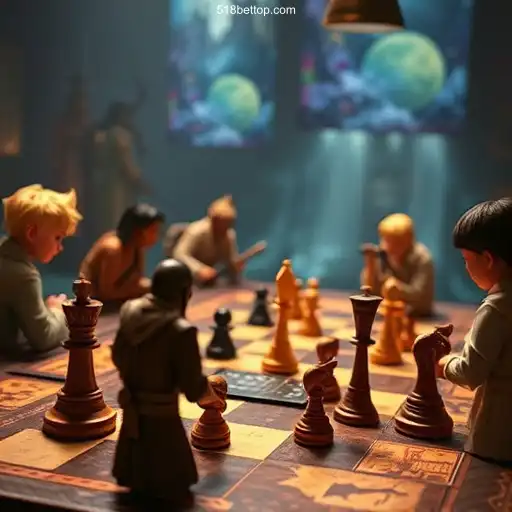
Tabletop Games: An Enthralling Universe of Entertainment
Tabletop games have long been a source of entertainment and social interaction, turning any gathering into an opportunity for fun and camaraderie. From strategic classics like chess to thrilling role-playing adventures, these games offer an immersive experience that digital platforms often strive to replicate. In 2026, the world of tabletop games continues to evolve, attracting a diverse range of players across all ages and backgrounds.
The Historical Roots of Tabletop Games
Understanding the history of tabletop games reveals their profound influence on human culture. These games date back thousands of years, with some of the earliest examples being ancient Egyptian board games. Over centuries, they have evolved from simple two-player contests to complex, multi-faceted gameplay involving intricate strategies and storytelling.
As societies evolved, so did the games. China's Go and India's Chess spread across continents, adapting to different cultures along the way. Each new iteration introduced unique aspects that captivated audiences, blending skill, chance, and social interaction.
Diverse Categories and Game Mechanics
Tabletop games encompass a wide variety of genres and mechanics, catering to the tastes and preferences of countless players. Here are some of the most popular categories that define this dynamic world:
1. Board Games
The quintessential tabletop experience, board games range from classic strategy games like Chess and Monopoly to modern hits such as Catan and Gloomhaven. These games rely on tactile elements, including boards, pieces, and cards, engaging players in a tangible manner.
2. Role-Playing Games (RPGs)
RPGs, like Dungeons & Dragons, immerse players in worlds of their own creation. Emphasizing storytelling and character development, these games involve collaborative storytelling guided by a game master. Players assume roles within the narrative, making choices and solving problems that shape the outcome.
3. Card Games
From casual deck-building games to competitive trading card games like Magic: The Gathering, card games are a staple of tabletop gaming. These games challenge players to build strong decks, anticipate opponents' moves, and strategically play their hands to achieve victory.
4. Miniature Wargames
Combining strategy and craftsmanship, miniature wargames engage players in battles across meticulously crafted terrains. Games like Warhammer allow players to assemble, paint, and deploy intricate miniature armies, relying on strategic depth and tactical maneuvers.
The Impact of Digital Integration
As digital technology continues to influence entertainment, tabletop games are not left behind. Virtual tabletops and digital companions offer new ways to experience traditional games. While platforms like 518bet.com -O TOP Cassino Online do Brasil 2026-Bônus GIGANTE de R$3.0000 have embraced the shift towards online gaming, tabletop games thrive on integrating aspects of technology to enhance the player experience.
Online platforms enable players to connect with distant friends, engage in global tournaments, and discover new games. Digital applications complement gameplay with rule references, scorekeeping, and immersive storytelling, bridging the gap between traditional and digital realms.
Community and Cultural Influence
One of the defining features of tabletop games is their ability to create and foster communities. Whether it's local gaming clubs or international conventions, these games bring people together, transcending geographical and cultural barriers. Through shared experiences and collaborative storytelling, players build lasting friendships and communities rooted in mutual love for the game.
The cultural impact of tabletop games is significant, as they reflect and influence societal trends. Themes such as cooperation, ethical decision-making, and strategic thinking in games often mirror challenges faced in real life, offering players a platform to explore different aspects of human nature and society.
The Future of Tabletop Gaming
As we look towards the future of tabletop gaming, the horizon is bright with possibilities. Innovation in game design, materials, and virtual integrations promise an ever-expanding universe of experiences. With creativity at its core, the tabletop game industry is poised to continue captivating audiences, old and new alike.
Reflecting on the convergence of traditional and digital, the vibrant community, and the rich history, it’s clear that tabletop games will remain an integral part of our cultural landscape, offering endless adventures and experiences for generations to come.